Why Your Pickleball Open Play Is Unfair (And How to Fix It)
The five reasons pickleball open-play sessions feel unfair — paddle stacking, bracket starvation, mid-tier mismatch, wait-time creep, and dominant pairs — and what to do about each.
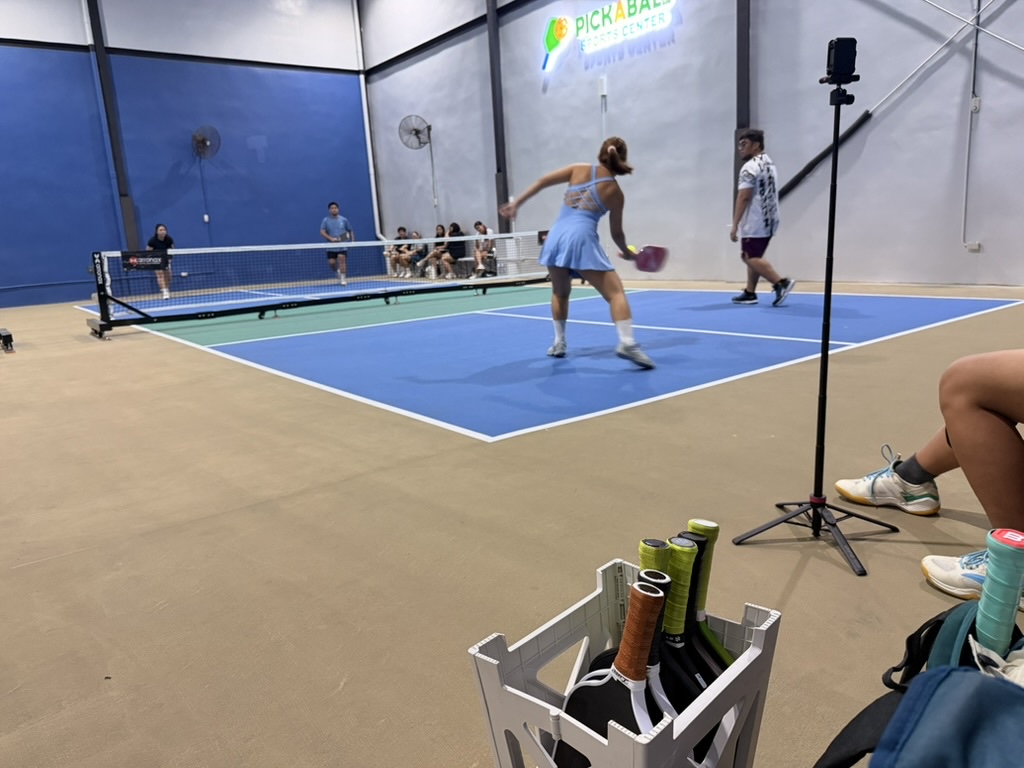
If you’ve ever left a pickleball open-play night feeling like the rotation was rigged, you’re not alone. It usually isn’t rigged — but it almost always feels unfair to someone, even when everyone’s playing by the same rules.
After running and watching dozens of sessions (and building Picklr specifically to fix this), here are the five most common sources of perceived unfairness in open play, and what to do about each.
1. Paddle stack favoritism
The problem. Paddle stacks look fair on the surface — first paddle, first to play. In practice, the order is constantly being adjusted: someone moves their paddle up because “I just got here”, someone else’s friend slides their paddle in next to them, the stack gets bumped and re-stacked in a different order. By the third hour nobody trusts the stack.
The fix. Move to a single, visible, digital queue. Players see their own position on their phone via Live View. Position can’t be edited by anyone except the organizer, and changes are visible to everyone. The whole favoritism vector closes.
2. Bracket starvation
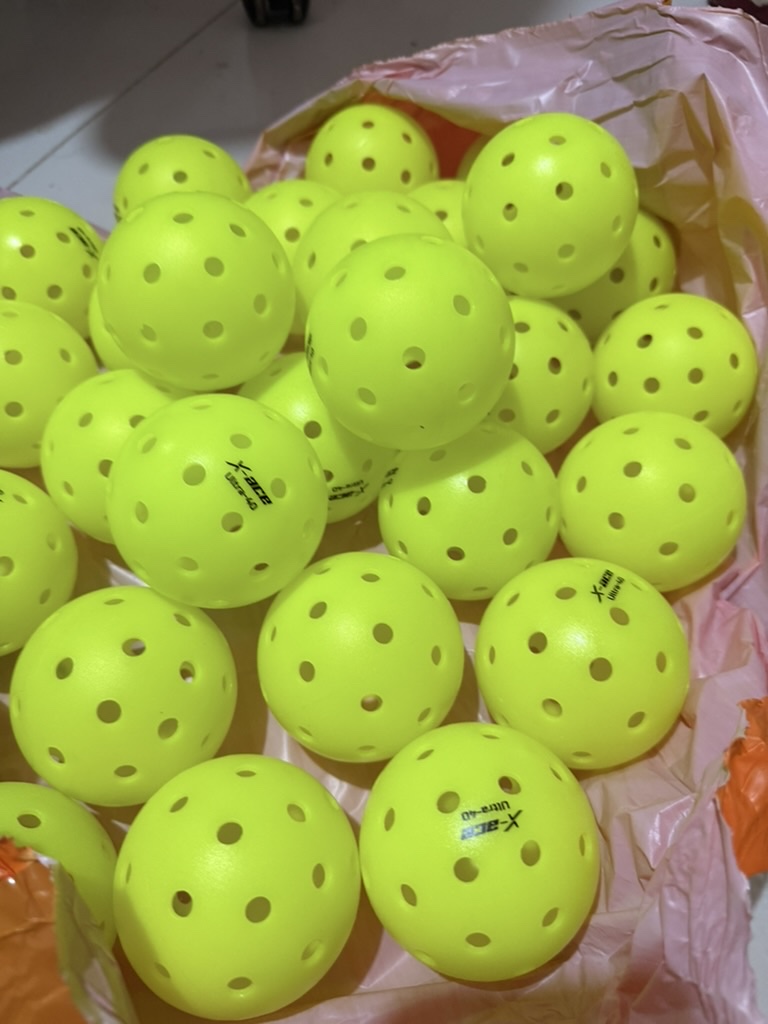
The problem. Once you separate “winners court” and “losers court” (a common open-play trick), one bracket inevitably runs short. You end up with 5 winners waiting for a 4th and 3 losers stuck because nobody’s losing on their court. People sit for 20 minutes while the other bracket plays back-to-back.
The fix. Don’t run two separate brackets manually. Run a single queue with bracket-aware matchmaking that:
- Alternates between winners and losers brackets so neither starves.
- Falls back to “longest waiting plays next” when a bracket runs short.
- Borrows a player from the other bracket if one has exactly 3 ready.
This is what Picklr’s Smart Auto does automatically. The 3+1 borrow rule alone fixes 80% of bracket-starvation complaints.
3. Mid-tier mismatch
The problem. An “Intermediate” player in your club might be a 3.5; another “Intermediate” might be a 4.0. They’re labeled the same, but on the court the 4.0 trounces the 3.5 11-2. The 3.5 starts to feel like the rotation always sticks them with the strongest team, even though it’s labelled fair.
The fix. Two options:
- Granular skill labels. Instead of Beginner/Intermediate/Advanced, use DUPR ratings if your players have them. 3.0, 3.25, 3.5, 3.75, 4.0 is much more precise.
- Within-bucket DUPR balancing. Picklr’s auto team-balancing factors DUPR (or skill level if DUPR isn’t set) when picking the most balanced 2v2 inside a skill bucket. Even if everyone is labelled “Intermediate”, the matchmaker tries to make team strengths even.
The single biggest thing that makes open play feel fair is everyone gets games they have a chance to win. Mismatched matchups poison the rotation regardless of who’s “next”.
4. Wait-time creep
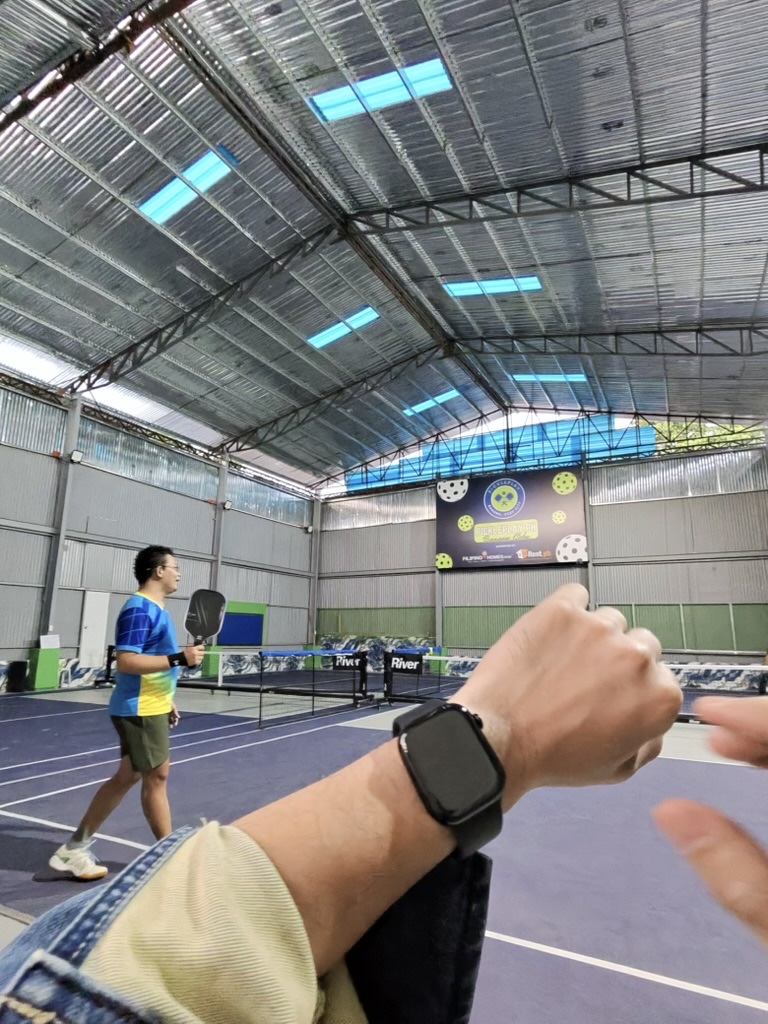
The problem. Five players are mid-match across two courts. Three players are in the queue. A new game starts on Court 1. The queue waits. Court 2’s game ends. The next 4 players go to Court 2. The original 3 are still waiting. Court 1 finishes and rotates. Original 3 are still waiting. By the end of the rotation, a player has been on the bench for 28 minutes while everyone else has played twice.
The fix. A hard wait-time cap. Picklr enforces a 20-minute rule: if anyone in the queue has been waiting more than 20 minutes, the next match auto-includes the longest-waiting players regardless of bracket logic. This overrides everything else — no winner-vs-winner bracket “purity” comes at the cost of someone sitting forever.
Manually, you can do this too — just commit to it. Set a stopwatch on your phone for 20 minutes when each player joins the queue. When their alarm goes off, they’re on the next match. It’s lo-fi but it works.
5. Dominant pairs
The problem. Two strong players form an unbeatable team and win 6 games in a row in a Challenger’s Court / King of the Court format. They hold the throne for an hour. Everyone else cycles through the queue, plays them, gets demolished, and rotates off. The strong pair has a great night; everyone else feels like they came to watch.
The fix. Three approaches:
- Defense cap. In Challenger’s Court, force a team to rotate off after N consecutive wins. Picklr doesn’t enforce this automatically yet but you can do it manually (just tell the room: “after 3 wins, rotate even if you’re winning”). On the roadmap as a session setting.
- Switch to Round Robin or Smart Auto. A dominant pair can’t hog the court if the format itself rotates them after each game. Round Robin is the cleanest fix — they play every other team once and then they’re done with the cycle.
- Lock them with weaker partners. If your strong pair is two of your best players, set them up with two of your weaker players via the Set Partner feature and let the team strength balance organically.
The right fix depends on the night. For a “ladder” feel, defense cap. For a “social” feel, switch formats. For a “developmental” feel, mix the pairings.
The meta-fix
If you only take one thing from this list: a single, visible, fair queue with wait-time enforcement and skill-aware matchmaking kills four out of five complaints. The fifth (dominant pairs) is a format-choice problem and a conversation with your group.
Picklr exists because the paddle-stack era is over. Open play deserves better tooling than a pile of paddles on a folding table.
More from the blog
How a Bacong Fiesta Turned Me Into a Pickleball Player (and Why I Built Picklr)
I declined every pickleball invite from my Cebu friends — until a fiesta in Bacong, a birthday at the Pikol Pol courts, and 8 hours of laughter changed my mind. The story of my first pickleball game, my first paddle, and the app that came after.
Best Pickleball Matchmaking App for Open Play (2026 Guide)
What to look for in a pickleball matchmaking app — and how Picklr compares to the rest. Built for organizers running 2-30 player open-play sessions.
Round Robin vs King of the Court: Which Pickleball Format Should You Run?
Side-by-side comparison of pickleball Round Robin and King of the Court (Challenger's Court) formats — when each works, when each breaks, and how to choose.